The Unofficial Stages of Giving Up on Dating Apps (And Why You Keep Coming Back)

We work in matchmaking. We talk to people about their dating lives constantly, which means we've heard a lot of stories about dating apps, specifically about the slow, slightly embarrassing process of losing faith in them while also being unable to fully quit. Around 79% of online daters say the experience is at least somewhat negative, according to Pew Research Center. Which is most people. Which means whatever you're feeling about your apps right now is probably not that unusual.
So here's how we map the whole thing out honestly. With some affection, because we do think apps can work. Just not always..and not for everyone. The journey from hopeful to burnt out tends to follow the same general shape no matter who you are.
It starts out fine, genuinely
The first few days are good. You put up decent photos, you wrote something in the bio that sounds like you but slightly more charming, you're getting matches, someone wrote back something funny. This part of the experience is real and it happens to a lot of people. Around 22% of couples who met online recently met specifically through an app, per a Stanford researcher named Michael Rosenfeld who has spent a lot of time studying this stuff. The optimism at the beginning is justified.
Then the swiping starts to get a little strange.
The part where it gets weird
You've been on it for a week or two and something has shifted, it's hard to name exactly, but the matches aren't hitting the same way, you’re kind of going through the motions and you swiped on someone with a kayak and then three more people with kayaks and honestly you cannot remember doing any of it. There's research about this, about how humans make progressively worse decisions the more decisions they've already made that day, and we think about it a lot in the context of dating apps because most people open them at like 9pm after a full day of work. Your brain is cooked. You're trying to assess long-term compatibility with someone based on 6 photos and a sentence about brunch. It goes about as well as you'd expect.
This isn't a character flaw. It's just a bad setup.
.jpeg)
The rewriting of the profile
At some point the swiping produces disappointing results and the obvious response is to fix the profile. So you rewrite the bio. Then you reconsider the first photo. Then you swap in a different photo, look at it for five minutes and swap the original back. You add something specific about what you're looking for, you remove it because it sounds intense, you put a softer version of it back in.
There's a whole book about why more choices make us less happy, not more, written by a guy named Barry Schwartz in 2004, and the core argument is basically that having lots of options creates more room for regret and second-guessing rather than less. He was mostly talking about consumer goods but it applies to this with a kind of uncomfortable accuracy. You are second-guessing your own profile the way you second-guess which show to watch, except the stakes are completely different and that cognitive dissonance doesn't go away no matter how many times you rewrite the bio.
The new profile goes live. Things stay roughly the same.
The numb stretch
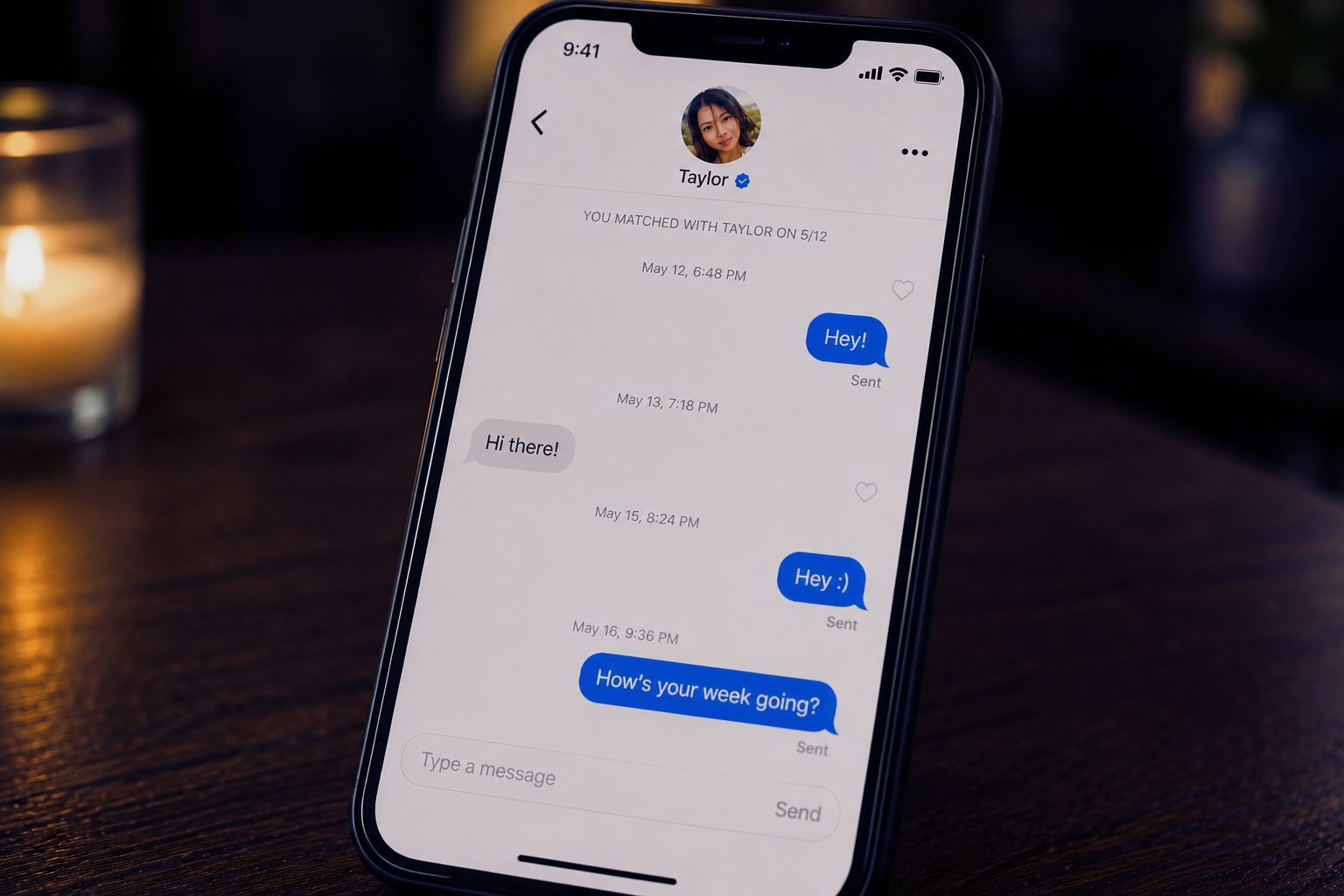
This is the part that doesn't announce itself. You're still using the app, messages are getting sent, there are tentative plans happening, technically everything is functioning. But there's a flatness to it. Matches that should feel exciting kind of don't. You're responding to people but you couldn't tell anyone why you swiped on them or what you're hoping will happen. Bumble put out research saying about a quarter of their users take extended breaks, and we think that number is probably low because a lot of people in this phase wouldn't say they're burnt out. They'd say they're fine and they're just busy right now.
The reading-about-it phase
You start finding articles. Why dating apps are broken. Why the algorithm isn't designed to help you, it's designed to keep you engaged, which is a different thing. You find Baumeister, you find Schwartz, you find various academics who have spent their careers explaining why this whole setup is slightly against you. It's validating in a real way. You feel seen by a Substack post.
Then you re-download the app you deleted two weeks ago. Yep.
Being "intentional" about it
A timer gets set. You're only gonna do twenty minutes a day. You write actual thoughtful messages that reference something in the person's profile. You stop when you start feeling the fog come in. You are now running your romantic life like a project management system and something about that feels off but you're not sure what to do about it so you keep going.
The delete
By the third or fourth time there's no real drama to it. You hold the icon, tap the X, move on with your evening. Doesn't mean you've given up on finding someone. Just means you're taking a break from this particular method of looking.
Which is totally reasonable. The apps aren't bad. They're just tools, and tools work better for some jobs than others. For people with a lot going on, specific ideas about what they want, and limited patience for a high-volume low-fit search process, the return on time is often pretty rough. That's not a character flaw either. It's just the math.
We started After Hello because some people's searches go better with a human in their corner. Not an algorithm, not a queue of strangers, an actual person who knows what you're looking for and is actively helping you find it. If you've deleted and re-downloaded a few times this year and you're more tired than when you started, we’d love to talk.
Related Articles
.jpg)

Ready to Rewrite Your Love Story?
After Hello is more than a matchmaking service; we're your partners in crafting a love story that lasts. Whether refining your approach to online dating, enhancing your first-date dynamics, or guiding you through the dating etiquette maze, our expertise is at your service.
Book a Discovery Call
.svg)
.svg)
.svg)

